01AI COMPUTE CHIPLET
Z-AI
Dedicated edge AI compute for autonomous systems that process sensor data locally and support real-time decisions.

Zentral Semi is developing a platform for autonomous machines, bringing dedicated AI compute, independent safety supervision, and an SDK/API software layer into a chiplet-based architecture.
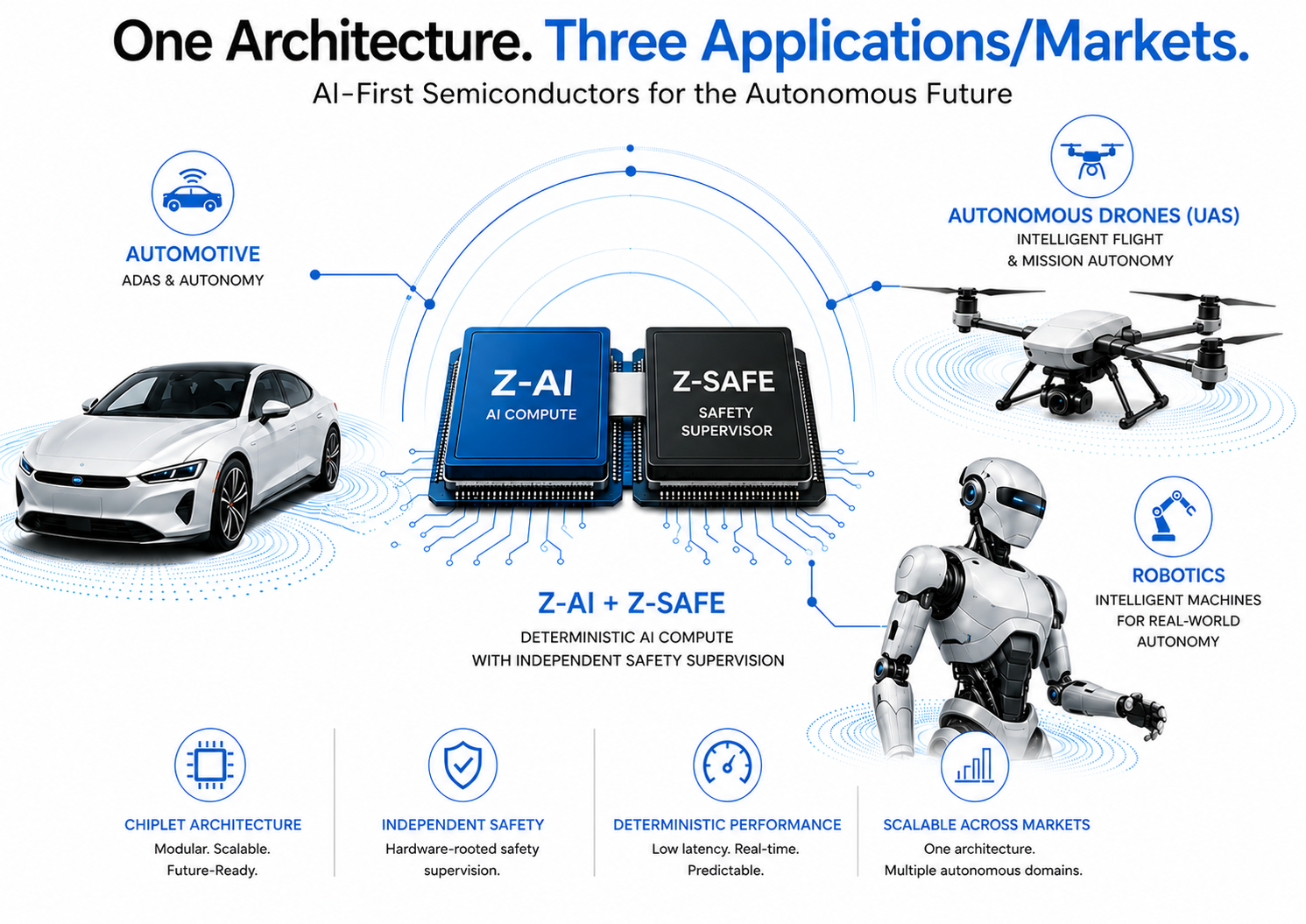
The platform keeps compute, safety supervision, and software development as distinct functions for autonomous systems.
Dedicated edge AI compute for autonomous systems that process sensor data locally and support real-time decisions.
A separate safety supervision function for monitoring autonomous AI behavior independently from the primary compute path.
A software development layer for building application software that works with the Zentral platform.
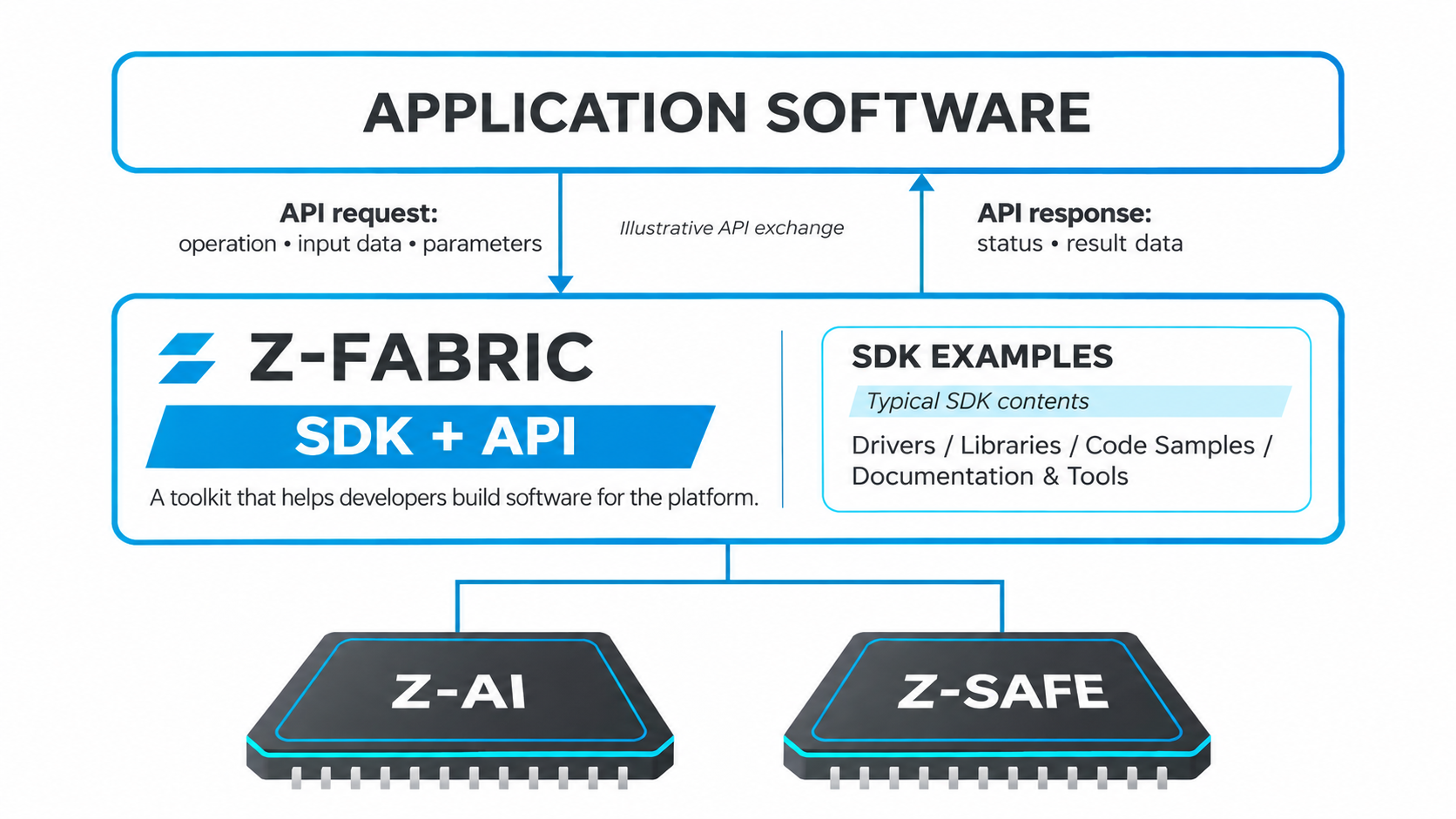
Application software connects through Z-FABRIC. The platform architecture keeps Z-AI and Z-SAFE as separate chiplets.
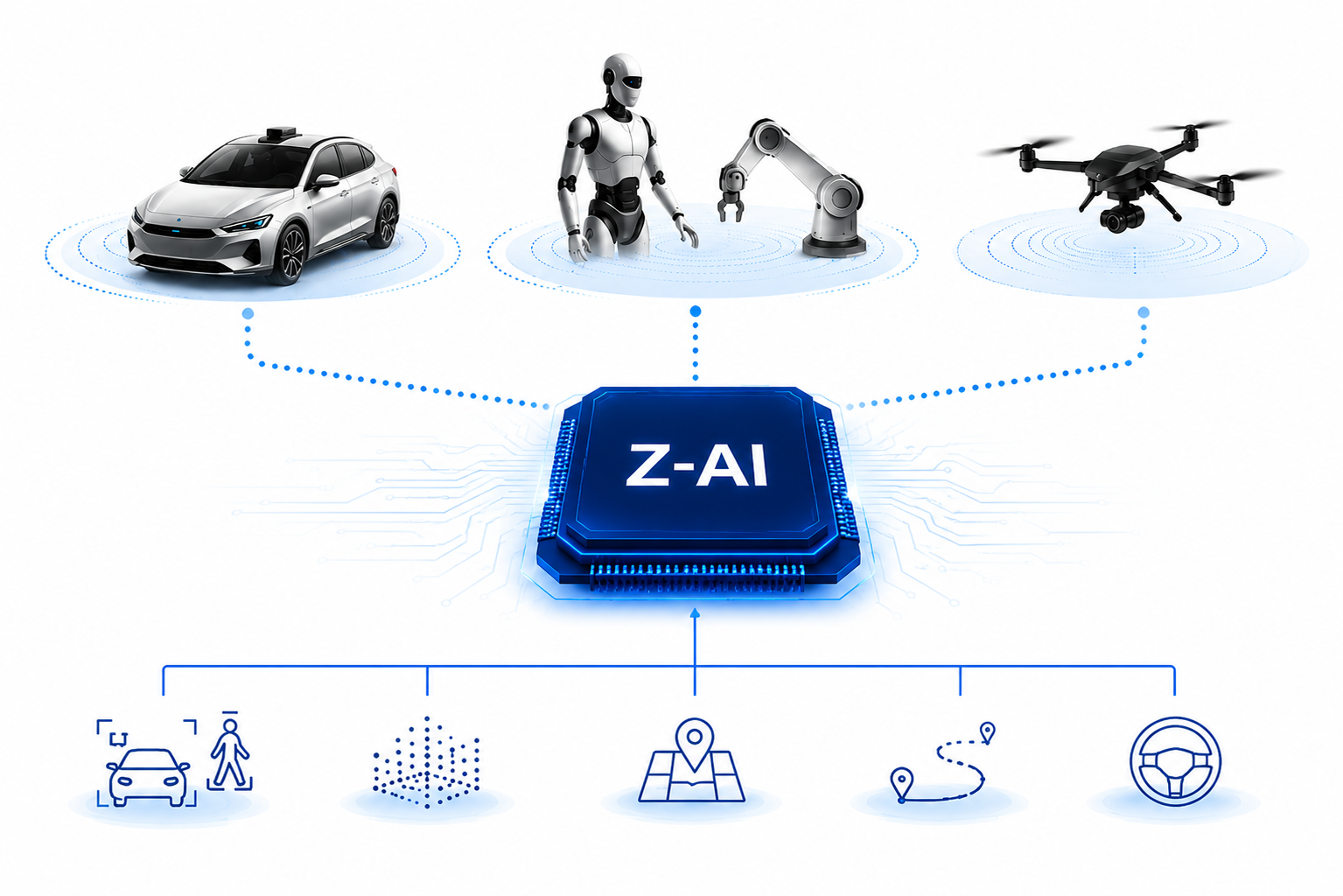
Z-AI is designed for autonomous systems that process sensor data locally and support real-time decisions. The platform description identifies workloads such as perception, sensor fusion, localization, planning, and decision support.
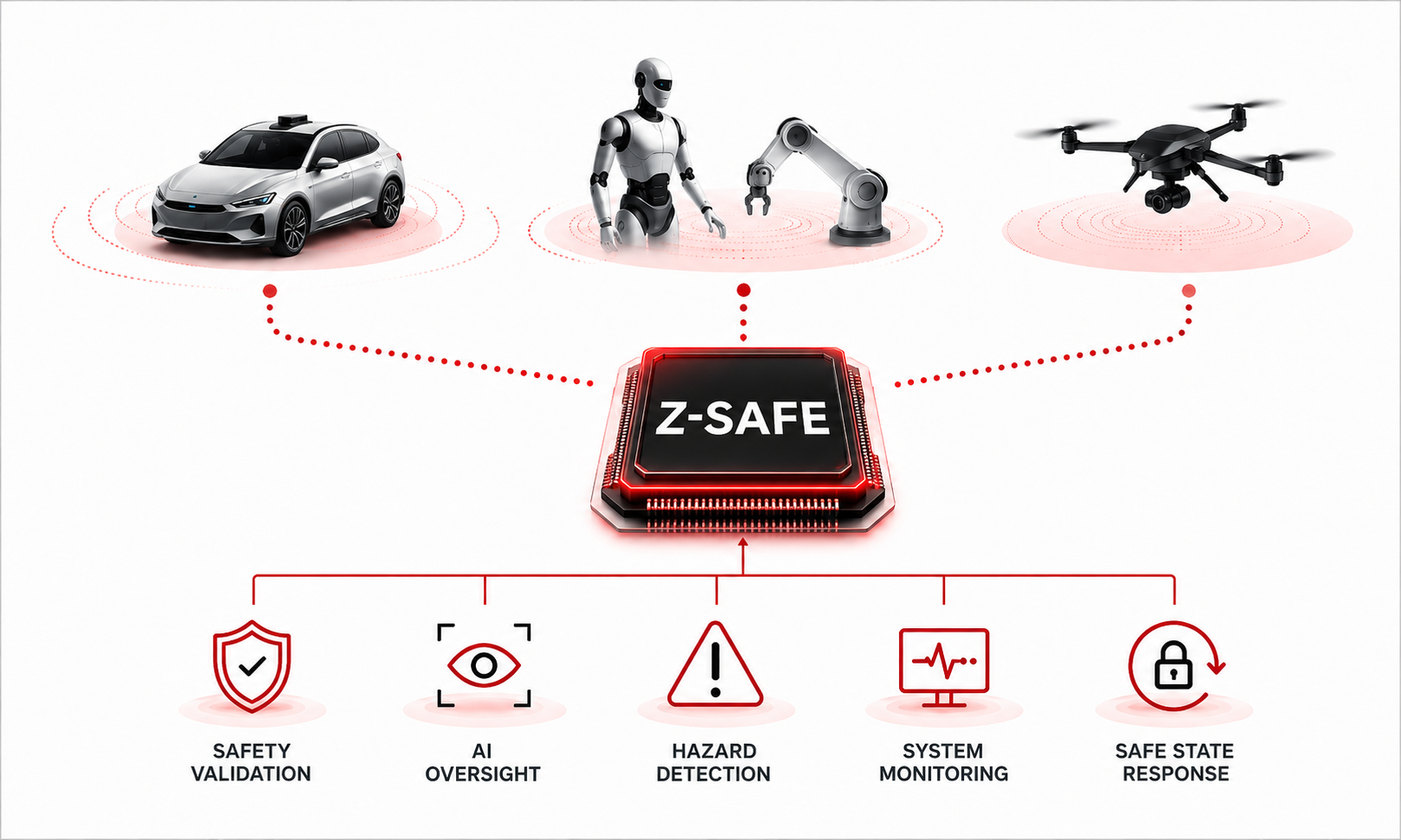
Z-SAFE is positioned as a separate safety supervision function. It monitors autonomous AI behavior independently from the primary compute path, for systems where software decisions can affect physical actions.
A software development kit (SDK) gives developers a package of resources for building software for a target platform. An application programming interface (API) defines how software requests functions and exchanges information with another software component.
Z-FABRIC is Zentral Semi’s SDK/API layer. Drivers, libraries, code samples, documentation, and tools are common examples of SDK contents; the exact Z-FABRIC package details are not specified here.
These are generic examples of information an API can exchange. They are not a published Z-FABRIC command list or interface specification.
Zentral Semi is focused on autonomous systems operating in the physical world, including robotics, autonomous vehicles, and drones.
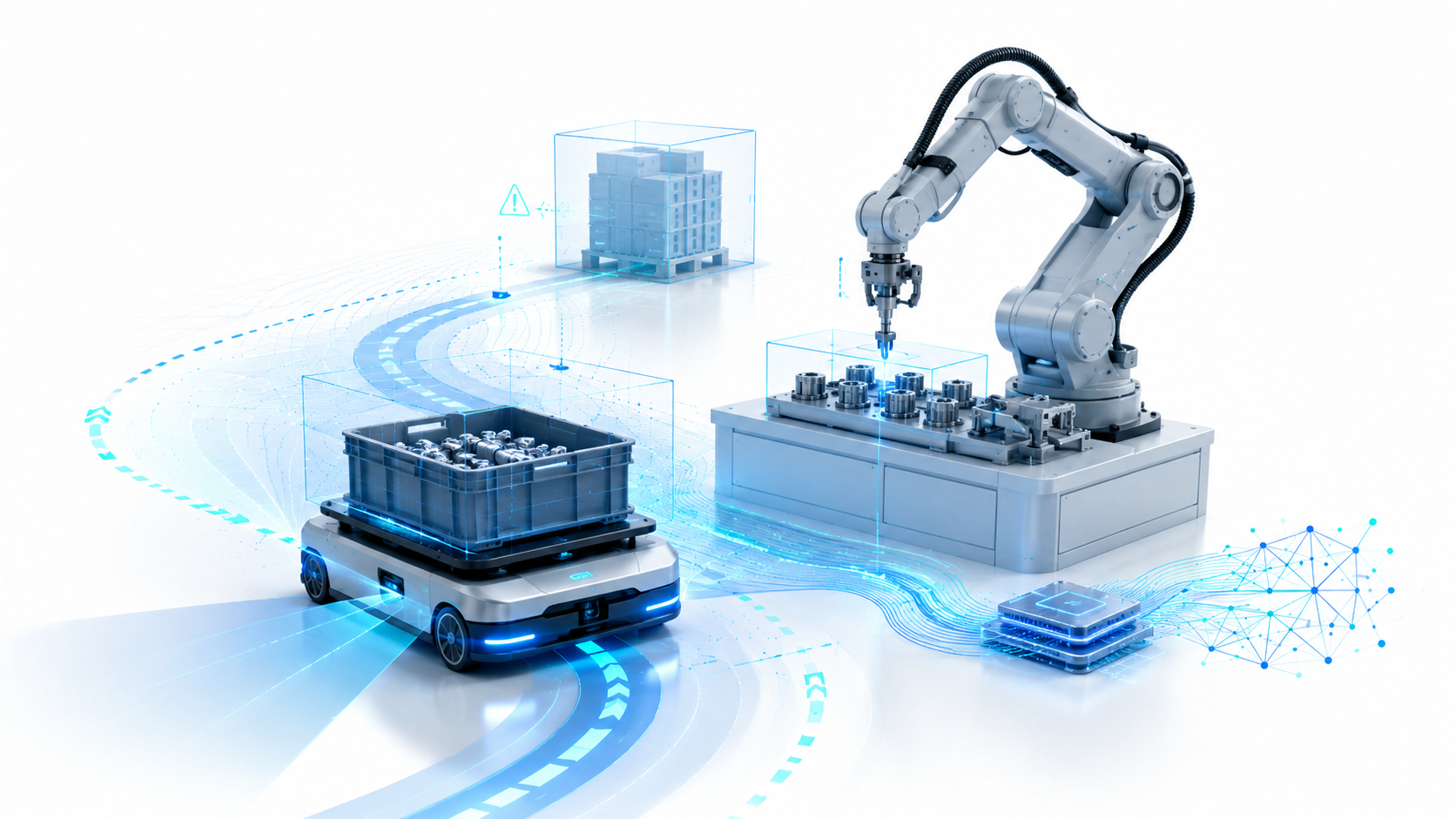
Autonomous mobile robots, industrial robotics, logistics systems, and machine interaction.
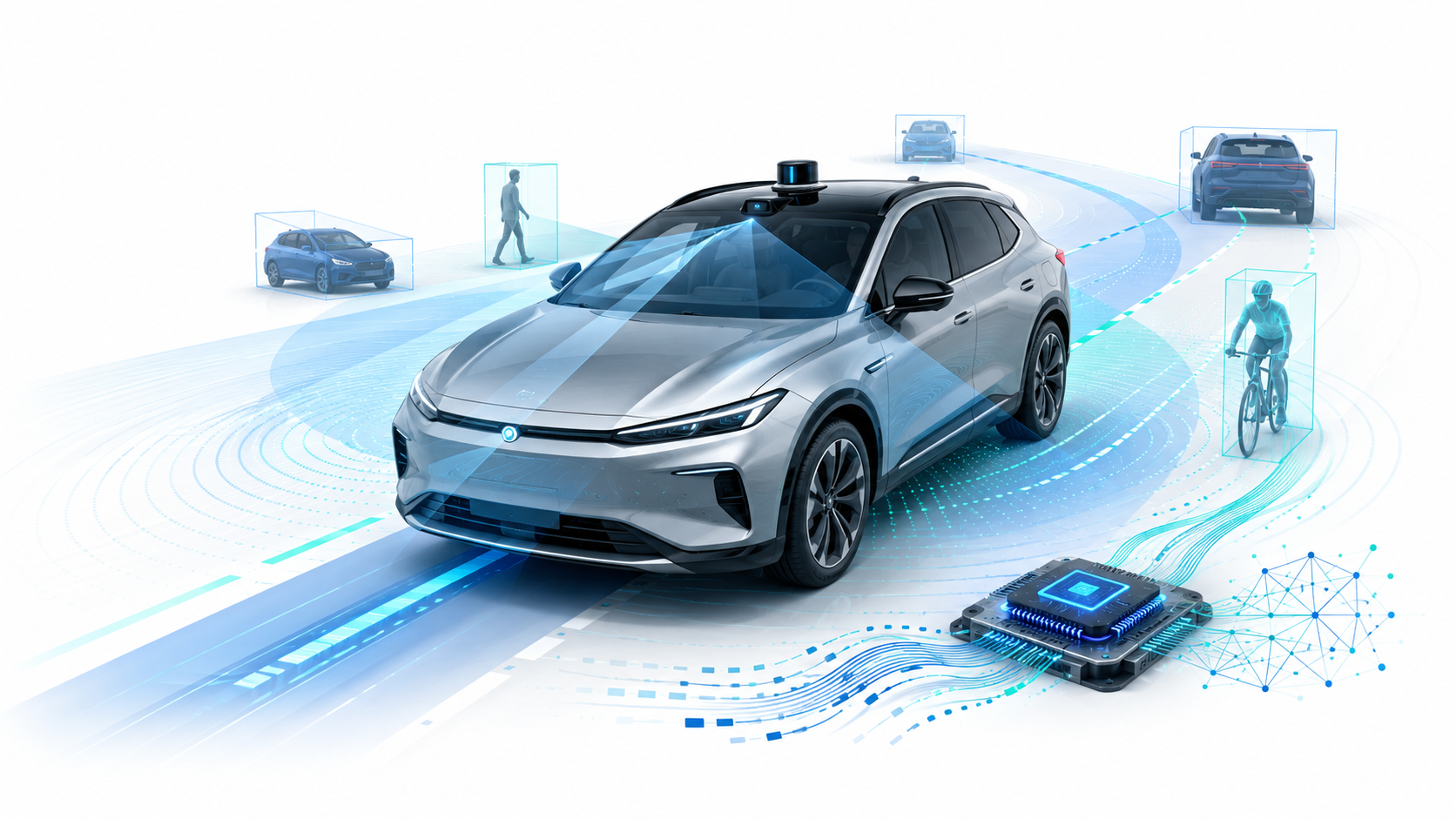
Edge AI workloads for automotive autonomy, including perception, sensor fusion, and decision support.
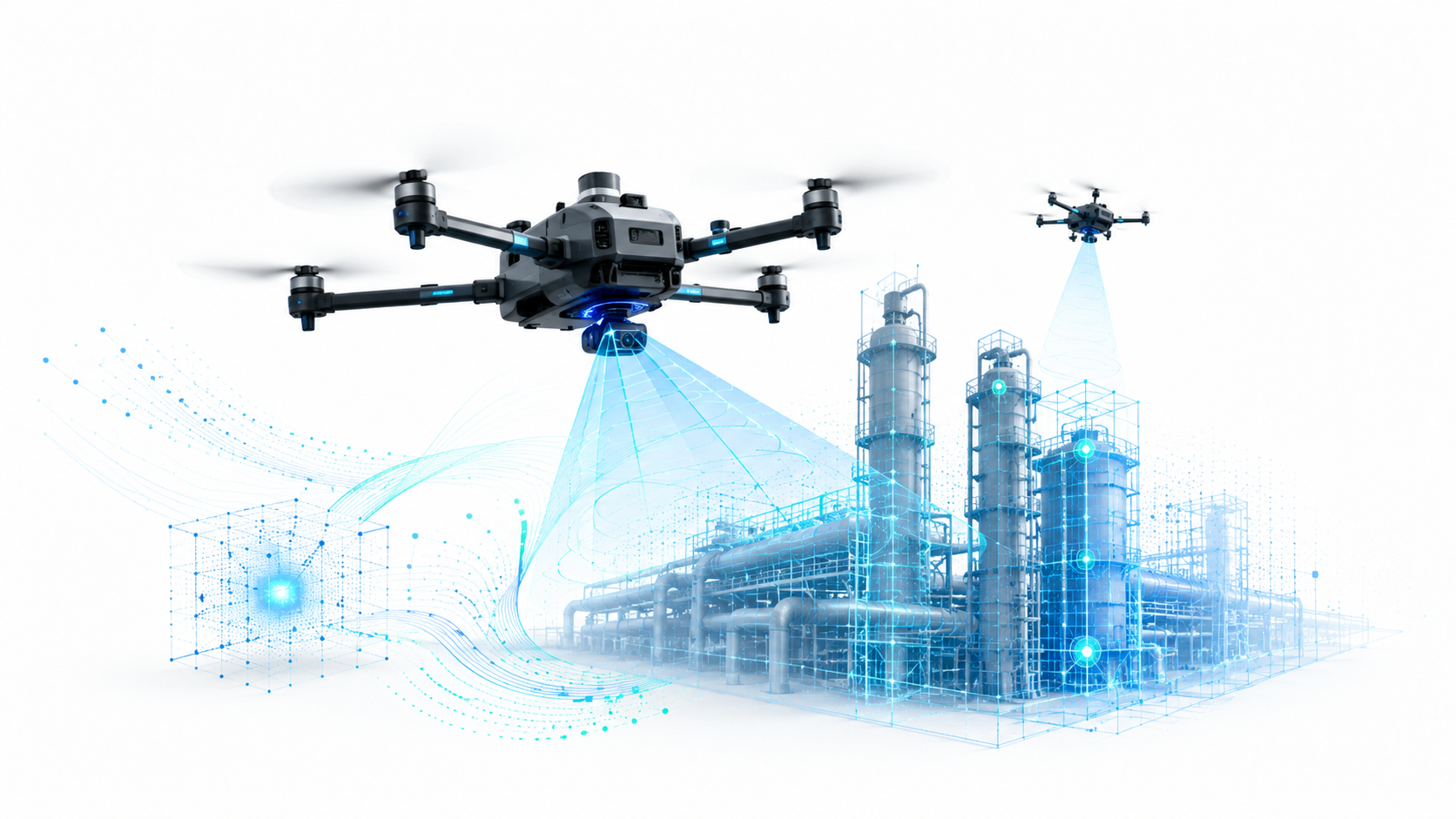
Onboard AI processing for navigation, inspection, mapping, and autonomous operation.